Celts and the Fall Equiox
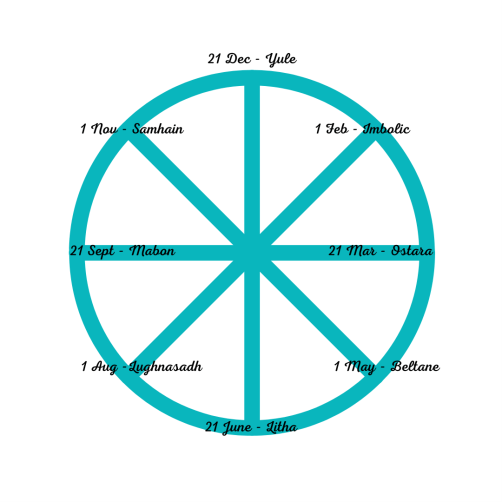
The Fall Equinox was a significant turning point for the Celts because it represented the balance between light and dark, marked the end of the harvest, and signaled the transition to the darker half of the year.
Although there are no direct written accounts from the ancient Celts themselves (most of what we know comes from archaeology, later folklore, and comparisons with other Indo-European traditions), here’s what historians, archaeologists, and folklorists have inferred about how the Celts likely observed the equinox.
The Equinox and the Celtic Calendar
The Celts followed a seasonal calendar that revolved around agriculture, the sun, and the natural cycles. The equinox wasn’t named as one of the four major fire festivals (Samhain, Imbolc, Beltane, and Lughnasadh), but it still held great symbolic weight as a “hinge point” of the year.
Balance of Light and Dark
On this day, the equinox, when day and night are of equal length, nature seems to breathe in harmony, embodying a rare moment of balance in the year. It was a time when the light of day and the darkness of night came together, creating a significant opportunity for reflection and renewal. This perfect equilibrium would have deeply resonated with Celtic spirituality, which revered the cycles of nature and the interplay of opposites.
In Celtic thought, the concept of duality was a fundamental principle. It represented not just a balance between light and dark, but also the cyclical patterns of life and death, growth and decay. The equinox marked a time of transition, a bridge between the waxing light of spring and the waning light of autumn. It served as a reminder of the importance of embracing both sides of existence, understanding that growth can only occur through the acceptance of change.
During the equinox, ancient Celtic communities would gather to celebrate and honor this time of balance. Rituals might involve lighting bonfires, symbolic of the returning light, and participating in feasts that honored the earth’s bounty. These gatherings fostered a sense of unity, as people recognized their connection to the natural world and to one another.
Symbolism of the Equinox
The symbolism of the equinox extended beyond mere astronomy; it captured the essence of life’s rhythms. It encouraged a deeper understanding of one’s place within the cycles of existence and the importance of living in tune with the environment. In this spirit, the equinox became a time not only for celebration but for introspection, inviting individuals to reflect on their personal journeys, aspirations, and the balance they sought in their own lives.
Thus, the equinox was not just a day marked on a calendar but a profound reminder of nature’s cycles, the dualities that intermingle in our lives, and the harmony we can strive for within ourselves and our communities.
It marked the shift from the light half of the year (spring and summer) into the dark half (autumn and winter).
Harvest Celebrations
By the equinox, many of the grains, fruits, and vegetables had been gathered. The Celts likely used this time to:
Give thanks for the harvest through offerings to the gods and ancestors. This could include libations, animal sacrifices, or symbolic food offerings placed at sacred sites.
Celebrate abundance with feasting, drinking, and community gatherings, knowing that the “lean months” were coming.
Store and preserve food for winter, turning the celebration into both a thanksgiving and a preparation ritual.
Sacred Sites and Solar Alignments
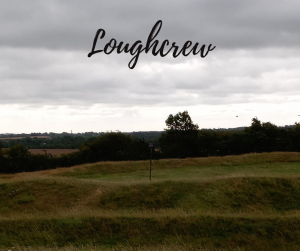
Archaeological evidence suggests that some Celtic and pre-Celtic monuments were aligned with the sun at equinox points.
Sites such as Loughcrew Cairns in Ireland are illuminated by the sunrise at the equinox, which may have served as ritual gathering places.
These alignments show that the Celts (like many ancient peoples) carefully tracked the sun’s movements and tied their rituals to these cosmic events.
Honoring Deities
While we can’t pinpoint exact deities tied only to the equinox, certain gods and goddesses fit the seasonal themes:
- Mabon / Maponos – A Welsh deity of youth and light, often associated with the harvest and balance of light and dark. (Neo-Pagan traditions call the Fall Equinox “Mabon” today, though this name wasn’t used in antiquity.)
- Danu / Anu – Earth mother figures linked to fertility and the land’s bounty.
- Dagda – Often depicted as a fatherly god of plenty and abundance, tied to harvest and sustenance.
Community Rituals
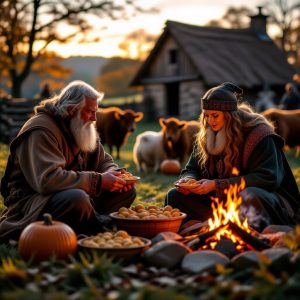
The equinox likely included:
- Bonfires – To honor the sun’s waning strength and invite protection for the winter months.
- Storytelling and music – Preserving ancestral lore and strengthening community bonds as evenings grew longer.
- Ancestor veneration – Since the equinox foreshadows Samhain, the Celts may have begun preparing spiritually to honor their dead.
Legacy and Folk Traditions
Later Celtic folklore and seasonal customs carry echoes of equinox observances:
- Harvest feasts in Ireland and Scotland, with last-sheaf rituals (the final stalk of grain harvested was often treated as sacred).
- Balance imagery – Themes of fairness, justice, and equilibrium, perhaps symbolized by dual deities or paired symbols.
- Fairs and markets often coincided with seasonal shifts, tying social and economic life to celestial rhythms.
Final Thoughts
The ancient Celts probably marked the Fall Equinox with harvest feasts, offerings to the gods and ancestors, fire rituals, and gatherings at solar-aligned sacred sites. It symbolized balance, gratitude, and preparation for the darker half of the year.
Thanks for reading. I hope you learned a bit more about the Celts. Happy Meanderings. Slàinte!