
The Celtic Winter Solstice: Remembering the Sun, Honoring the Ancestors
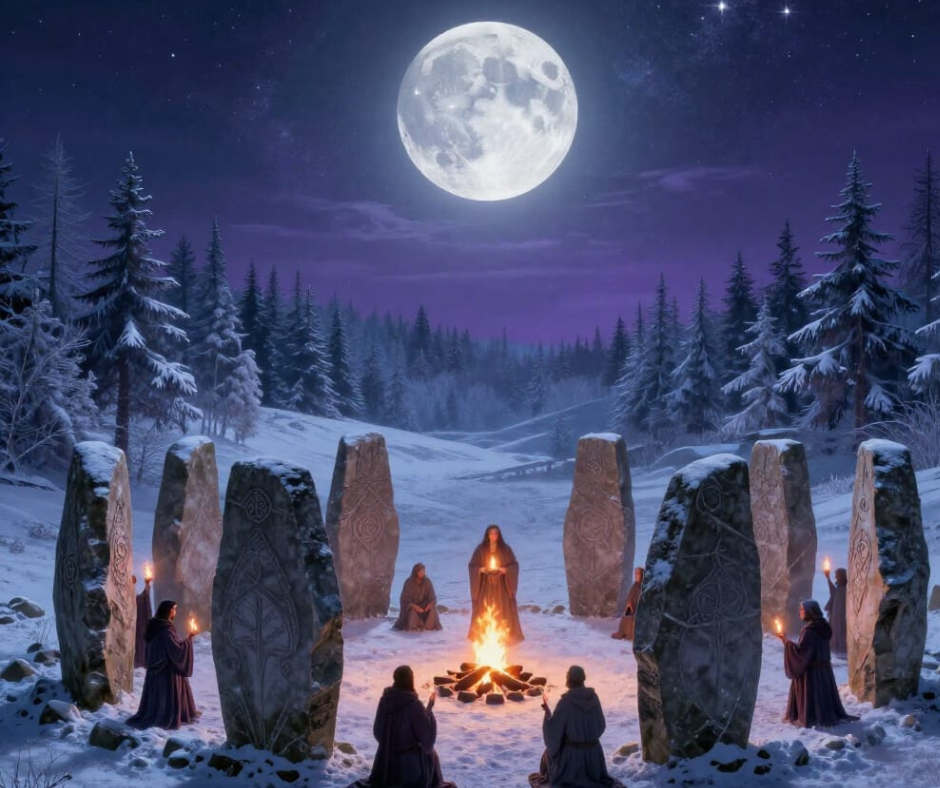
Winter beautifully transforms our surroundings into a serene pause. As the last leaves flutter down and the chill embraces us, the sky seems to draw nearer. For our Celtic ancestors, this season wasn’t just a transition; it was a profound moment filled with memory and meaning. The Winter Solstice celebrated the longest night and heralded the sun’s return, symbolizing hope and the assurance that, no matter how dark it may seem, light always prevails. Embrace this magical time of year!
For ancestral travelers and heritage keepers, understanding the Celtic Winter Solstice is like unlocking an early chapter in the story of Celtic spirituality. Let’s meander into that chapter together.
Where It Began: The Ancient Roots of the Solstice in Celtic Lands
The Winter Solstice predates the emergence of written Celtic culture by thousands of years. Its spiritual gravity dates to the Neolithic era, long before the Celts arrived in the British Isles or in Ireland. The engineers of the ancient world aligned stones with the rising and setting sun, sending messages across millennia that we can still discover today.
By the time Celtic societies established themselves between roughly 1200 and 400 BCE, these solstice traditions had already become an integral part of the landscape itself. The Celts didn’t invent the Solstice; they inherited it, tended it, and wove it into their worldview. For them, the Solstice represented rebirth, renewal, and the cyclical nature of life. It symbolized the moment when the sun, like a weary traveler, turned back toward the world.
Their celebrations blended seasonal wisdom with ancestral reverence. Fire, feasting, storytelling, and gathering weren’t random customs. They were acts of resilience. Ways of declaring: The dark is deep, but the light is returning.
What the Winter Solstice Meant to the Celts
To the Celtic people, the natural world was never silent. Every hill hummed with meaning, every river held memory, and every sunbeam carried the pulse of the divine.
During the Winter Solstice, three themes rose to the forefront:
The Return of the Light
The Solstice marks the shortest day and longest night. From that moment on, each sunrise stretched a little longer, as if the sun were reclaiming its strength. Light was never merely physical illumination; it was spiritual nourishment, linked to life, warmth, survival, and inspiration.
The Cycle of Death and Rebirth
Celtic cosmology revolved around cycles. Darkness was part of the natural rhythm, not something to fear. The Solstice embodied the great turning: death giving way to life, rest giving way to renewal. This was a symbolic moment for personal reflection and ancestral connection, a time to honor those who came before and carried the light until we could take it ourselves.
Communal Strength and Hospitality
Winter was harsh in the ancient world. To survive, you needed community. Feasting, sharing food, and gathering by firelight reflected the Celtic values of kinship, generosity, and unity. In these rituals, meanderers can still sense the echo of past winters, when storytelling and shared lineage warmed more than the hearth.
Standing Stones and Solstice Alignments: Where the Celts Watched the Sun Return
Some stones were placed long before the Celts, but the Celts adopted these sacred places just the same. They inherited a landscape already tuned to the sky.
Here are the most critical solstice-aligned sites tied to Celtic regions:
Newgrange (Brú na Bóinne), Ireland
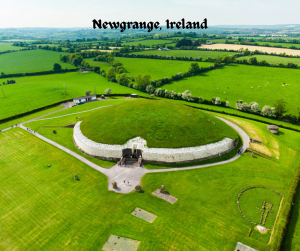
A jewel of Neolithic engineering, Newgrange predates Stonehenge and the pyramids. Every Solstice morning, a single beam of sunlight threads through a narrow roof box and floods the inner chamber. It’s a deliberate, humbling masterpiece of early astronomical design.
By the Celtic Iron Age, Newgrange had already taken on mythic significance, associated with the Tuatha Dé Danann and otherworldly beings. The site became woven into Irish spiritual memory.
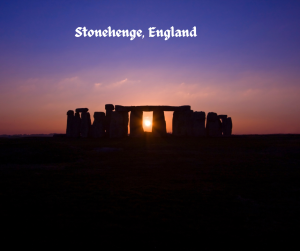
Stonehenge, England (with Celtic cultural influence)
Though Stonehenge isn’t exclusively Celtic, later Celtic people folded it into their ritual landscape. Its Solstice alignment marks both sunrise and sunset. The midwinter sunset is particularly significant, as it marks ancient winter rituals.
Maeshowe, Orkney, Scotland
This monumental, chambered cairn captures the Solstice sunset from its long entry passage. When the sun dips in midwinter, its light streams across the chamber like a torch carried by the ancestors themselves.
Callanish Stones, Isle of Lewis, Scotland
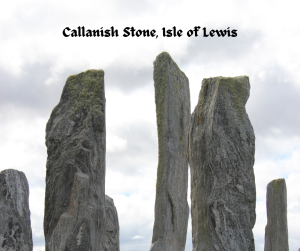
Less famous but equally magnetic, the Callanish complex forms a cross-shaped layout centered on a tall monolith. While not precisely Solstice-aligned, the stones are tied to lunar cycles and winter observations that shaped Celtic ritual calendars.
Bryn Celli Ddu, Wales
This Neolithic passage tomb aligns with the midsummer sunrise, but winter observations were also part of its ritual use. The landscape surrounding the site connects to the same solar consciousness practiced across the Celtic world.
The Isle of Man Burial Mounds
While smaller in scale, cairns and burial mounds across Mann—even if not precisely aligned—were focal points for seasonal ceremonies. The Celts treated these sites as doors between worlds, especially potent during turning points like the Solstice.
These places weren’t mere monuments. They were cosmic notebooks where early peoples documented the rise and fall of the light. The Celts read those notes with reverence.
Celtic Winter Solstice Traditions: Fire, Feast, and the Evergreens of Hope
Celtic Winter Solstice traditions ranged from symbolic rituals to communal celebrations. Many echoed through later folklore and eventually merged with Christmas customs. Here are the core traditions:
The Yule Log
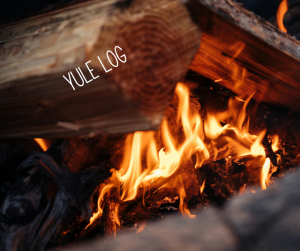
Not just a log, but a symbol of hope. Families selected a great piece of wood—often oak, linked to the Druids—and burned it to honor the returning sun. Its embers were believed to protect the home in the year to come.
Yule began as a pre-Christian midwinter observance across Northern Europe, including Celtic regions, rooted in honoring the sun’s return after the longest night. It grew from ancient fire rites and evergreen symbolism meant to protect the home and welcome the rebirth of light.
Yule is primarily a Norse and broader Germanic tradition. Its heartland is Scandinavia, where Jól marked midwinter feasting, sacrifice, ancestor veneration, and the turning of the sun.
That said, winter observances across Northern Europe often braided together over time. The Celts had their own midwinter customs, but the word Yule and the formal Yule feast come directly from the Norse world, not the Celtic one.
Evergreen Decorations
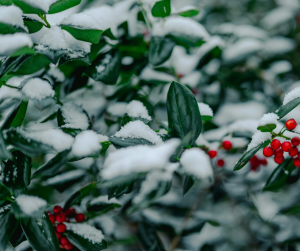
Holly, ivy, and mistletoe were evergreen guardians during the darkest season. They represented life that refuses to fade. Mistletoe, in particular, was sacred to the Druids; harvesting it required ceremony and respect.
Solstice Feasting
Feasts weren’t indulgences; they were statements of survival, abundance, and community. Foods preserved for winter—pork, root vegetables, dark ales, oat cakes—played starring roles. Families gathered, stories flowed, and ancestors were honored in the warmth of shared company.
Bonfires and Light Rituals
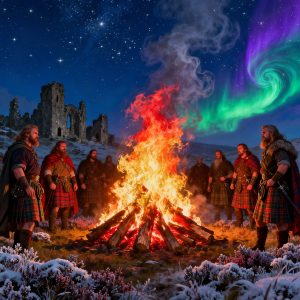
Communities often lit large fires to call back the sun. Fire cleansed, protected, and symbolized resilience. Some traditions included walking around the fire or carrying torches to bless the land.
Storytelling and Ancestral Memory
With long nights came long tales. Winter was a season for preserving family lore, teaching history, and passing down wisdom. The Solstice was a threshold moment when the worlds of the living and the departed felt closer.
Why the Celtic Winter Solstice Still Matters
For modern Meanderers exploring Celtic heritage, the Solstice offers a decisive moment of reconnection. It invites us to:
• acknowledge the cycles in our own lives
• reflect on our lineage and those who carried us to this moment
• celebrate hope even in the dark
• reconnect with nature’s rhythms
• build new traditions inspired by old wisdom
Final Thoughts
Whether you’re standing among ancient stones or lighting a candle in your living room, you’re participating in a ritual older than history itself.
The Celts understood something we often forget. Darkness is a season, not a sentence. And the Solstice is our reminder that every journey, ancestral or personal, turns toward the light again.
May the paths you follow honor both where you’ve been and where you’re going. Slàinte mhath!
#CelticWinterSolstice #CelticTraditions #AncestralTravel #CelticHeritage #WinterSolstice #CelticSpirituality #Newgrange #CallanishStones #Maeshowe #CelticCulture #CelticHistory #GaelicTraditions #CelticAncestry #Meanderers