
Getting to the Isle of Man
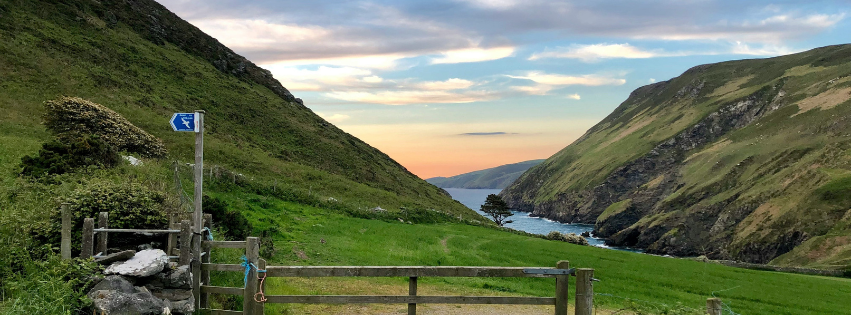
There are moments when a familiar longing stirs without warning, a deep, nostalgic ache that feels less like wanderlust and more like remembrance. You might find yourself drifting toward images of rugged coastlines and windswept hills, hearing something in the silence that you can’t quite name.
The Isle of Man has a way of calling like that, not loudly, but persistently. It’s as if the island itself knows your name and has been waiting. For those with roots woven through its ancient soil, this isn’t simply travel. It’s a homecoming.
Known in English as the Isle of Man, the island has long called itself Mann, a name rooted in sea-kings, sovereignty, and story.
Embarking on an Adventure to the Isle of Man!
Planning an ancestral journey is like spreading maps across a table, sparking questions about our ancestors and the desire to stand where they once stood. Winter invites us to be still and listen, sometimes hearing the sea’s call.
Consider this your practical guide to the Isle of Man—focusing on flights, ferries, and routes. It’s about navigating the quiet lanes and churchyards and finding that sense of belonging that can surprise you. The Isle of Man is more than just a destination; it’s a unique place with its own history and rhythm, a small kingdom in the Irish Sea that has blended Norse and Celtic influences over centuries.
As of February 25, 2026, Aer Lingus requires a valid passport or Irish passport card for all passengers (including British/Irish citizens) on flights between Ireland and the UK. Other photo IDs, such as driver’s licenses, are no longer accepted on these routes, except for specific Aer Lingus Regional flights between Belfast and Great Britain. Please check your routes before heading to the Isle of Man.
Bridging the Atlantic: Getting to the Hubs
Direct Flights to Dublin from the US and Canada
Major US airlines offering direct flights to Dublin Airport (DUB) include Aer Lingus, American Airlines, Delta Air Lines, and United Airlines, with routes primarily departing from major East Coast and hub cities. Canadian travelers can reach Dublin directly via Aer Lingus and Air Canada, with seasonal and year-round options depending on the route.
Key Airlines and Destinations
- US Airlines:
Aer Lingus, American Airlines, Delta Air Lines, and United Airlines provide direct service to Dublin from major US cities such as New York (JFK), Boston (BOS), Chicago (ORD), Philadelphia (PHL), Washington D.C. (IAD), Atlanta (ATL), and occasionally Los Angeles (LAX) on seasonal routes. - Canadian Airlines:
Aer Lingus and Air Canada operate direct flights to Dublin, primarily from Toronto (YYZ). Some routes are seasonal and increase during late spring through early autumn. - Irish Carrier:
Aer Lingus is Ireland’s national airline and the most consistent carrier for direct transatlantic service into Dublin, offering excellent connectivity onward within Ireland and to nearby regions.
Common Routes
- From the US: New York (JFK), Boston, Chicago, Philadelphia, Washington D.C., and Atlanta to Dublin (DUB).
- From Canada: Toronto (YYZ) to Dublin (DUB), with select seasonal routes depending on demand.
Direct Flights to the UK From the US and Canada
Major US airlines with direct flights to the UK include American, Delta, United, and Virgin Atlantic, primarily flying into London Heathrow (LHR) from hubs like NYC, Boston, LAX, and Atlanta. Major Canadian carriers offering direct routes to the UK are Air Canada, WestJet, and Air Transat.
Key Airlines and Destinations
- US Airlines: American Airlines, Delta Air Lines, United Airlines, and Virgin Atlantic offer extensive service from major US cities (e.g., JFK, BOS, LAX, ATL, EWR) to London Heathrow and sometimes Manchester.
- Canadian Airlines: Air Canada, Air Canada Rouge, WestJet, and Air Transat provide direct flights, primarily from Toronto (YYZ) and Vancouver (YVR) to London (LHR) and Gatwick (LGW).
- UK Carriers: British Airways offers extensive direct service from the UK to numerous US and Canadian cities.
Common Routes
- From the US: New York (JFK/EWR), Boston, Los Angeles, Chicago, Atlanta, and Miami to London Heathrow.
- From Canada: Toronto, Vancouver, Calgary, and Edmonton to London Heathrow.
Getting to the Isle of Man from Dublin and the UK

Once you’ve reached Dublin or London, the journey to the Isle of Man becomes more intimate. This is no longer about crossing continents, but about crossing water. For centuries, these same routes carried traders, pilgrims, Norse sea-kings, and families moving between worlds. Today, the methods are modern, but the approach remains unchanged.
Flying to the Isle of Man
Flying is the quickest and most direct option, particularly for travelers who want to maximize time on the island or prefer a smoother crossing.
From Dublin (DUB):Direct flights operate between Dublin Airport and the Isle of Man Airport (IOM), with a flight time of just under an hour. These routes are typically serviced by regional carriers and may vary seasonally, with increased availability from spring through early autumn. Dublin is a popular gateway for ancestral travelers, especially those tracing Irish Sea connections.
From London and the UK: There are frequent direct flights to the Isle of Man from several UK cities, including:
London Heathrow (LHR), London Gatwick (LGW), Manchester (MAN), Liverpool (LPL), Birmingham (BHX)
Flight times generally range from 45 minutes to one hour, making air travel a practical choice for travelers coming from England or connecting onward from international arrivals.
Flying offers efficiency, but it also comes with a reminder. When the clouds and the island appear below, compact and green against the sea, you are not arriving at a place built for crowds. You are arriving somewhere that still expects you to notice it.
Traveling by Ferry
For those who prefer to feel the crossing in their bones, the ferry remains a meaningful option. This is the route your ancestors would recognize most clearly.
From England, Ferries to the Isle of Man operate primarily from Liverpool and Heysham. Crossings are operated by the Isle of Man Steam Packet Company and typically take between 2.5 and 4 hours, depending on the vessel and sea conditions. Ferries accommodate foot passengers and vehicles, making this a popular choice for longer stays or travelers planning to explore the island at a slower pace.
From Ireland: Seasonal ferry services may operate from Belfast or Dublin area ports, though availability varies year to year. These routes are best checked well in advance, especially if ferry travel is an important part of your journey’s intention.
The ferry is not just transportation. It is a threshold. The moment when land recedes, and anticipation takes its place. The Irish Sea has always been a connector rather than a divider, and crossing it offers a quiet opportunity to reflect on who else made this passage before you.
Choosing Plane or Ferry
There is no right or wrong way to arrive, only different experiences.
- Choose flying if you value speed, convenience, or are traveling on a tight schedule.
- Choose the ferry if you want the journey itself to be part of the story, if you need time to transition, or if you feel drawn to the rhythm of sea travel.
Either way, arrival on the Isle of Man is not abrupt. It unfolds. The pace slows. The air shifts. And somewhere between the terminal and the shoreline, you begin to understand that this island does not rush to meet you. It waits to see how you arrive.
Navigating the Kingdom
Once you arrive on the Isle of Man, something important becomes clear very quickly. This is not a place designed for rushing through. Movement here is deliberate, layered, and surprisingly generous. The island offers multiple ways to travel, and each one reveals a different face of the kingdom.
The Go Explore Card

The Go Explore Card is the single most useful transportation tool for visitors. It provides unlimited travel on buses and heritage railways for a set number of days, removing the need to plan each journey in isolation.
With one pass, you gain access to the island’s modern bus network, unlimited rides on the Steam Railway, unlimited travel on the Manx Electric Railway, and a return journey on the Snaefell Mountain Railway.
More than a ticket, it offers freedom. You can change your plans midday, follow your curiosity, and linger longer than expected without recalculating costs. For ancestral travelers, this flexibility matters. It allows space for discovery rather than efficiency alone.
The Heritage Railways
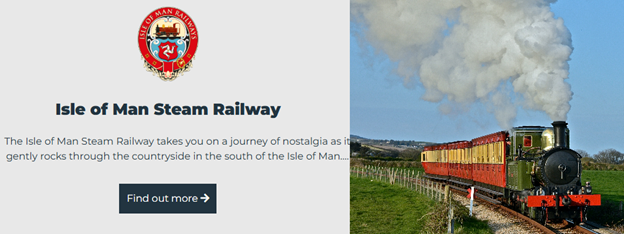
The Isle of Man’s railways are not preserved relics. They are working lines that continue to serve both residents and visitors. Traveling there feels less like sightseeing and more like stepping into a rhythm that never fully left.
The Steam Railway Running from Douglas to Port Erin, traces the island’s southern corridor, passing through Castletown and Ballasalla. This route connects you to medieval capitals, coastal villages, and burial grounds that have anchored families for centuries. It is slow by modern standards, and that is precisely its value.
The Manx Electric Railway stretches north along the coast from Douglas to Ramsey. This line offers expansive views of the Irish Sea and access to places like Laxey. It follows a route that feels older than the tracks themselves, echoing paths once traveled by foot, cart, and coastal boat.

The Snaefell Mountain Railway. This line carries you to the summit of Snaefell, the island’s highest point. On a clear day, you can see the so-called “Six Kingdoms”: Mann, England, Ireland, Scotland, Wales, and Heaven. While the view is striking, the journey itself matters. This is about understanding the island’s scale, its boundaries, and its place in the wider world.
Together, these railways form a living map. They show how the island connects itself, and how it has done so for generations.
Bus Vannin
The modern bus network, operated by Bus Vannin, is reliable, extensive, and well-timed to connect towns, villages, and quieter edges of the island. Buses reach places the railways do not, making them essential for travelers seeking churchyards, coastal paths, and less-visited parishes.
Schedules are dependable, signage is clear, and routes are designed for real life, not just tourism. Combined with the Go Explore Card, buses allow you to move easily between the island’s centers and its margins.
Beyond the Rails
Some travelers prefer full independence, particularly those planning to explore remote areas or keep flexible hours.
Car Rental Options:
Several reputable local companies operate on the island, including Athol Garage, Mylchreests, and 4Hire. Booking in advance is strongly recommended, especially during the summer months.
Taxis: The No-Uber Rule. There is no rideshare system on the Isle of Man. Taxis operate through local firms, and knowing who to call matters. Two well-known services include: Elegance and Telecabs.
A simple but important tip: save taxi numbers to your phone before you need them. Informing yourself is part of traveling well here.
Driving Tips for North American Travelers
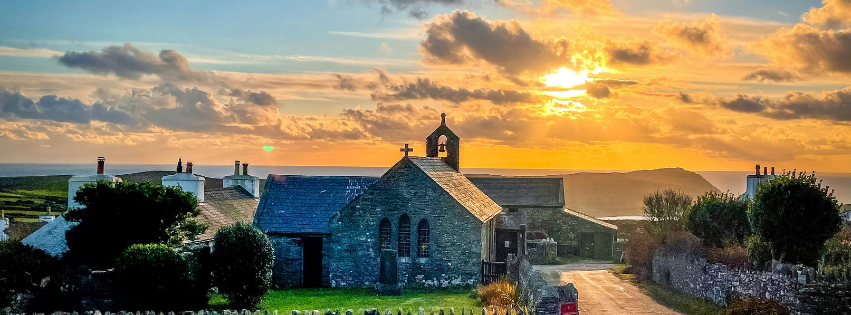
Driving on the Isle of Man is straightforward, but there are a few realities worth knowing before you arrive.
- Driving on the left: Many travelers use a small reminder note on the dashboard for the first day. It helps more than you think.
- Roundabouts: Common and efficient. Yield to traffic already in the circle.
- Parking discs: Free parking in many areas requires a time disc, often provided with rental cars or available locally.
- No speed limit roads: Certain mountain roads have no posted speed limit, but this does not mean unlimited speed. Conditions, weather, and visibility always apply.
- Licensing: US and Canadian licenses are generally valid for short visits. An AAA or CAA International Driving Permit is helpful as a supplement, but not always required.
Before leaving home, a few final logistics make all the difference:
- Confirm your flights and ferry or regional air connections.
- Decide whether the Go Explore Card fits your travel style.
- Save local taxi numbers.
- Book car rentals early if needed.
- Familiarize yourself with basic driving rules.
The logistics are handled. The routes are mapped. You know how to get there, how to move once you arrive, and how to find your way back. What remains now is simply the decision to go and the willingness to let the journey be more than a trip. The Isle of Man has been waiting a long time. So, perhaps, have you.
Final Thoughts

The Isle of Man is not a place you visit and leave unchanged. It is small enough to hold in your memory and ancient enough to hold you back. Whether you arrive by air with the island appearing green and suddenly below you, or by ferry with the sea widening behind you and the hills of Mann rising ahead, the crossing matters. You are not just traveling to a destination. You are answering something.
Your ancestors crossed this water. They knew these lanes, these churchyards, these winds. They carried names that may still appear on headstones and in parish records, waiting quietly for you to find them. That is not a small thing. That is the whole thing.
Go when you can. Go with intention. And when you finally stand on Manx ground for the first time, let yourself feel the weight of that moment. You earned it, and so did they.
Happy meanderings. Slànte Mhath!