The Meanderer’s Library Card: Free Tools for Genealogy
Before you spend a single pound, euro, or dollar on a genealogy subscription, check your library card. Seriously. It might be the single most powerful (and most overlooked) tool in your research kit.
Ancestral research has a reputation for being expensive. Subscription databases, DNA kits, and archive fees add up fast. But some of the richest resources for tracing your Celtic roots are sitting behind a card you probably already have in your wallet, completely free.
Here’s where to start.
Libby & OverDrive: Library’s Digital Shelf
If you haven’t used Libby yet, it’s worth five minutes to set it up. It’s the app that connects to your local library’s digital collection. It contains ebooks, audiobooks, and sometimes magazines. All of which you can borrow with the card you already have.
If you don’t have a library card, visit your local library and ask for one. It’s free. Then connect it to Libby.
For Meanderers, this means:
- Histories of the Highland Clearances, the Irish Famine, Welsh mining communities, and other pivotal Celtic diaspora moments. Often available are ebooks or audiobooks you can start reading tonight.
- Memoirs and oral histories from people who lived the emigration story, which bring a different kind of texture than a straight historical account.
- General Celtic history and folklore titles you’d otherwise be tempted to buy.
Search your library’s OverDrive/Libby collection for the topic before you buy the book. Nine times out of ten, someone else has already asked your library to carry it.
WorldCat: Finding the Needle in Any Library’s Haystack
WorldCat is the catalog of catalogs. It’s a single search that tells you which libraries, anywhere in the world, hold a particular book, microfilm, or document.
This matters enormously for genealogy work, because so much of what you need was never digitized. That slim, out-of-print local history of a parish in Sutherland. The 1950s county heritage society pamphlet. The niche academic study on Highland emigration patterns to a specific region. These things exist usually in exactly one or two library collections. WorldCat is how you find out where.
Search a title, an author, or even a general subject and location (try “Fife parish history” or “Isle of Man emigration records”), and WorldCat will show you every library that holds a copy. From there, you have options which bring us to the next tool.
Local Library Special Collections: The Hidden Shelf
Every so often, the exact record you need was never put online at all. County historical societies, regional libraries, and local genealogical societies often hold materials such as transcriptions, church records, community histories, or old newspapers on microfilm. These would probably not exist anywhere else.
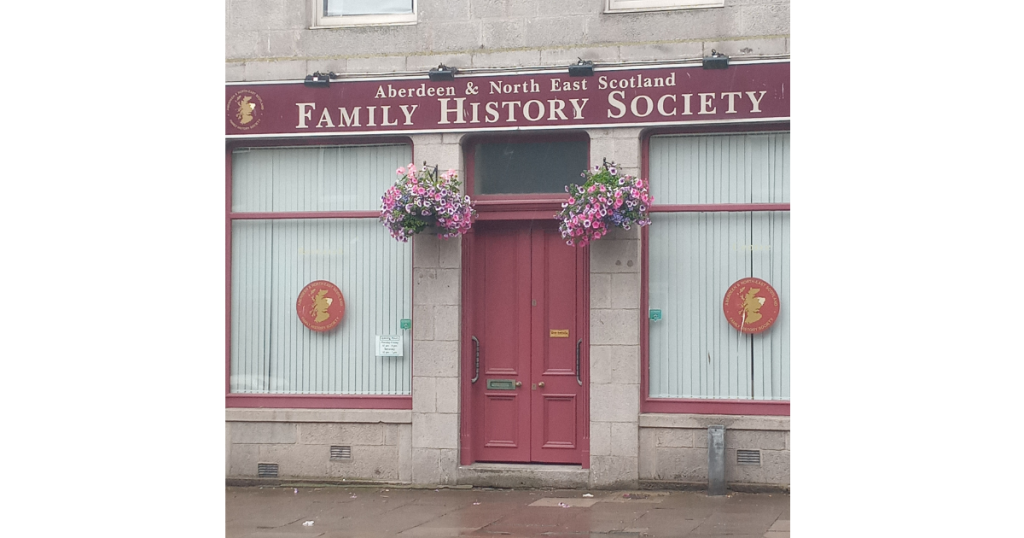
A few habits worth building:
- Call or email the local library or historical society for the specific region your ancestors came from, even if it’s an ocean away. Many will do lookups for a small fee or point you toward what they hold.
- Ask your own local library’s reference desk about their genealogy or special collections room. Many county libraries maintain surprisingly deep local history holdings.
- Search library and historical society websites directly. Their catalogs often aren’t indexed the way WorldCat or Google are.
Interlibrary Loan: Getting It to You
Once WorldCat (or a local special collection) tells you where something lives, interlibrary loan (ILL) is how you actually get your hands on it — through your own home library, at no cost to you in most systems.
The process is simple:
- Find the title on WorldCat or through your library’s catalog
- Request an interlibrary loan through your local library — most have a simple online form, or you can ask at the desk
- Wait for your library to arrange a loan from the holding institution
- Pick up (or, for digitized material, download) what arrives
Some items, particularly fragile or archival materials, may only be available to view on-site at the holding library rather than shipped out. But even that is worth knowing, especially if you’re planning a research trip and want to build in time at a specific archive.
Genealogy Rooms & the People Who Run Them

Here’s a resource that’s easy to overlook: many libraries have a dedicated genealogy room, and the staff who work there tend to be some of the most knowledgeable, generous people you’ll meet in this whole search.
A few things worth knowing:
- Ask what’s in the room. Genealogy rooms often hold local cemetery records, church registers, old city directories, county histories, and vertical files of newspaper clippings organized by family surname. Some things haven’t made it online and never will.
- Ask the staff directly. Genealogy librarians do this for a living. Tell them what you’re looking for and where your family is from, and don’t be surprised if they point you toward a source you’d never have found on your own.
- Ask about free access to paid databases. This is the one that surprises people most. Many libraries offer free in-library sign-on to subscription sites like Ancestry.com and HeritageQuest, which normally charge a monthly fee. You get full access, at no cost, simply by being in the building. Call ahead or check your library’s website for “genealogy databases” or “Ancestry Library Edition” to see what’s offered.
If you’re planning a research trip, it’s worth searching in advance for libraries near your ancestors’ hometowns that have a genealogy room. Call ahead to ask what they hold and whether an appointment with a librarian is recommended.
Start Here, Before You Spend Anything
None of this replaces the genealogy databases and DNA testing that have their own place in the research process. But before you subscribe, and before you buy, check out what your library card can already do. It’s the most accessible starting point in the entire search.
Thanks for reading. Leave a comment about your experiences with any of these resources.
In search of old footprints, Sláinte!