
Pre-Celtic History and Culture: Exploring the Ancient British Isles

Pre-Celtic history and culture of the British Isles is just as fascinating to explore as the Celts themselves.
The British Isles, a verdant archipelago steeped in history, often casts its gaze forward, towards the Roman conquests, the rise of kingdoms, and the tumultuous tides of medieval and modern times. Yet, beneath these well-trodden layers lies a far more ancient tapestry, woven with threads of human existence that stretch back millennia.
Before the arrival of the Celts, a vibrant and complex culture flourished on these shores, shaping the land and its people in profound ways. To truly understand the intricate fabric of British identity, we must first delve into the shadows of prehistory.
Knowledge of this pre-Celtic era is not merely an academic pursuit; it offers a profound connection to our ancestral roots. By exploring the lives of these early inhabitants, we gain a deeper appreciation for the enduring spirit that has shaped the British Isles into the land we know today.
Early Inhabitants: Mesolithic and Neolithic Periods
The story begins in the Mesolithic era, a time of hunter-gatherer societies. These early Britons were nomadic, following the migration of their prey. Their tools were simple, crafted from flint and bone, yet they knew intimately about the natural world. Archaeological evidence, such as the preserved remains of fish, animals, and plants at Star Carr in North Yorkshire, offers glimpses into their subsistence strategies.
As the climate warmed, a gradual shift occurred. The Neolithic period ushered in a revolution: the domestication of plants and animals. With the advent of agriculture, people began to settle in permanent communities. This transformative change had far-reaching implications, from dietary shifts to social structures.
A hallmark of the Neolithic era is the construction of megalithic structures and colossal monuments made of massive stones. Stonehenge, the most iconic example, stands as a testament to the ingenuity and spiritual beliefs of these prehistoric people. Other remarkable sites, such as Avebury and the Callanish Stones, dot the landscape, hinting at a complex and interconnected society.
Bronze Age: Rise of Metalworking and Early Societies
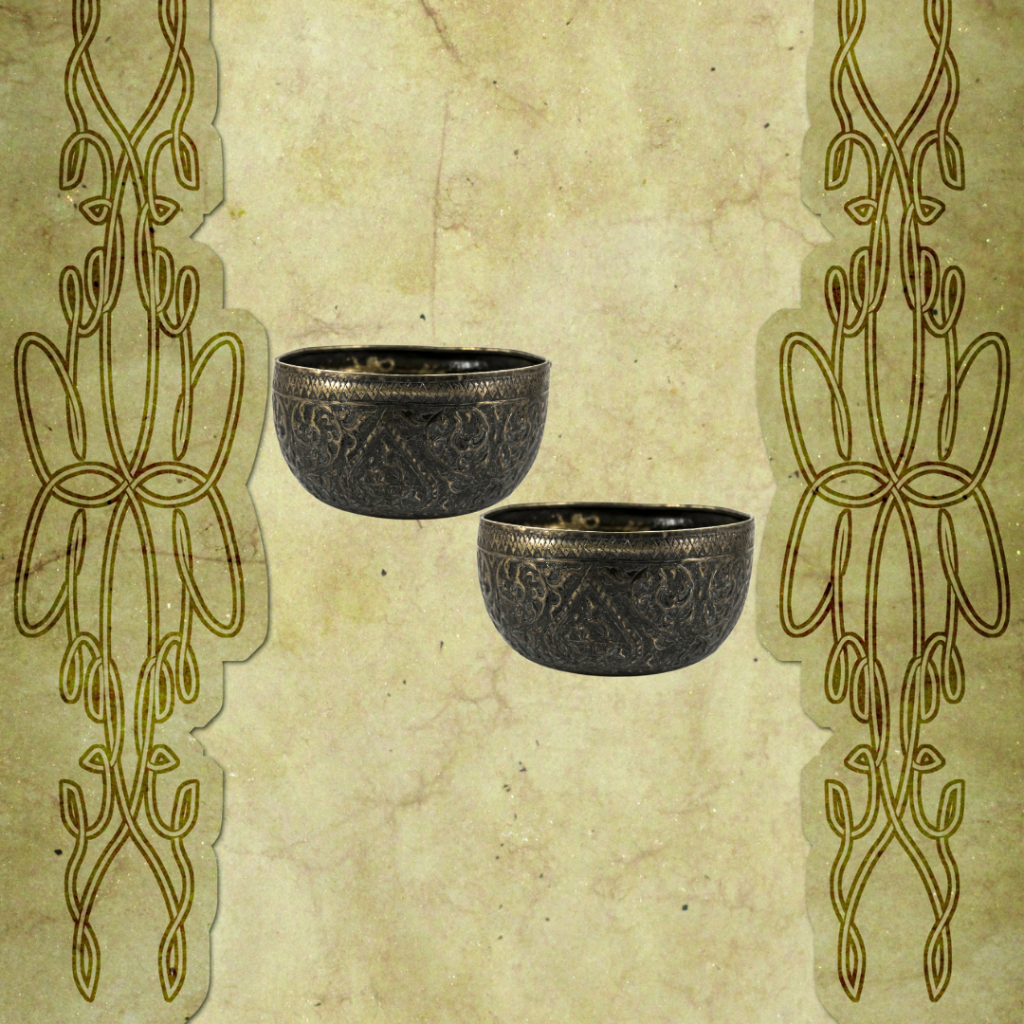
The Bronze Age marked another pivotal turning point. The discovery of metalworking techniques, particularly the ability to smelt copper and tin to create bronze, ushered in a new era of technological advancement. Bronze tools were superior to their stone predecessors, allowing for more efficient agriculture, weapons, and household objects. This technological leap coincided with significant social changes.
Bronze Age Britain witnessed the emergence of hierarchical societies with specialized roles. The construction of hill forts and defensive enclosures suggests growing tensions and the need for protection. Trade networks expanded, connecting the British Isles to continental Europe. The development of maritime skills enabled seafaring and cultural exchange.
Notable archaeological finds from this period, such as the Wessex culture’s ornate gold artifacts, provide evidence of wealth, status, and artistic expression. The enigmatic Beaker people, who derived their name from their distinctive pottery, also made their mark on the landscape during this time.
Beaker Culture: Cultural Exchange and Migration
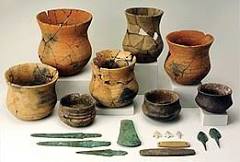
The Beaker culture, originating in continental Europe, had a profound impact on the British Isles. Their arrival around 2500 BC marked a period of significant cultural exchange. Beaker pottery, with its characteristic bell shape and incised decoration, became widespread, suggesting a rapid diffusion of ideas and practices.
Burial customs also changed with the arrival of the Beaker people. The practice of cremation and the deposition of grave goods, such as pottery, flint tools, and personal ornaments, became more common. These mortuary rituals reflect beliefs about the afterlife and the importance of social status.
The extent to which the Beaker people represented a population replacement or cultural assimilation remains a subject of debate among archaeologists. However, their undeniable influence on the material culture of Britain is evident.
Iron Age: Arrival of Celtic Cultures
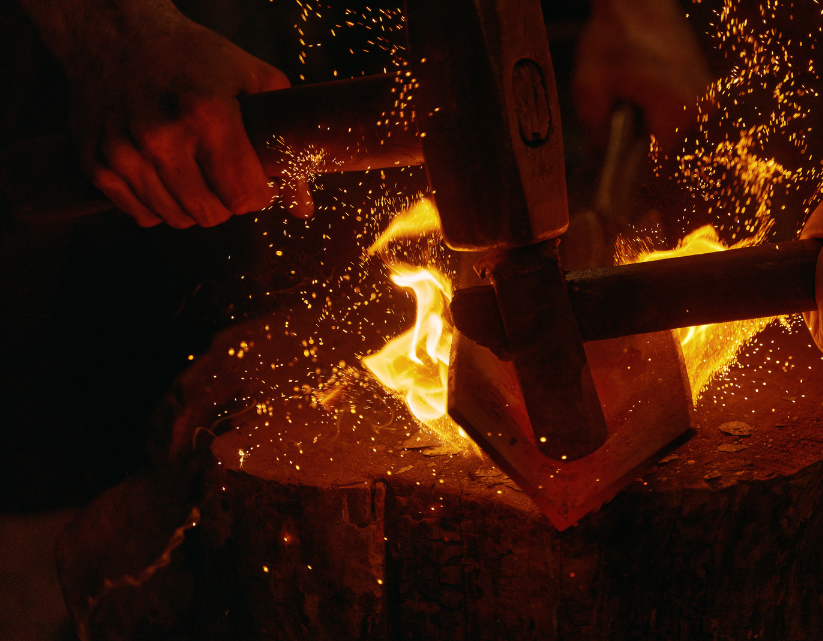
The transition from the Bronze Age to the Iron Age was gradual, but the introduction of ironworking brought about significant changes. Iron was more abundant than bronze, making it a more accessible material for tools and weapons. This technological shift coincided with the arrival of Celtic cultures from continental Europe.
The Celts brought with them a rich linguistic, cultural, and religious heritage. Their influence is evident in place names, mythology, and artistic styles. Hill forts, often fortified with intricate defensive systems, became characteristic of Iron Age Celtic settlements.
The Celtic world was divided into tribes, each with its own distinct identity. While our knowledge of their social structure and beliefs is largely based on later Roman and Greek accounts, archaeological evidence provides valuable insights into their material culture.
Final Thoughts
The pre-Celtic history of the British Isles is a captivating saga of human adaptation, innovation, and cultural exchange. From the early hunter-gatherers to the complex societies of the Bronze and Iron Ages, these ancient inhabitants laid the foundations for the land and people that would follow.
Understanding this rich heritage is essential for appreciating the depth and complexity of British identity. By exploring the archaeological sites and museums that showcase these ancient treasures, we can forge a deeper connection to our ancestral past.
Hope you enjoyed reading this. Please share or leave a comment. Happy Meandering! Slànte Mhath!