Using UNESCO sites in the Celtic Nations for ancestral travel offers numerous benefits. These sites are recognized for their cultural, historical, and natural significance, ensuring visitors gain a deep, authentic connection to the region’s heritage.
World Heritage Sites in the Celtic Nations often provide well-preserved and interpreted locations that enrich understanding one’s ancestry. Here are some key benefits and a list of UNESCO sites in each Celtic Nation:
Benefits of Using UNESCO Sites for Ancestral Travel
Authenticity and Preservation
UNESCO sites are meticulously preserved and maintained, providing a genuine glimpse into the past. They often include detailed information and historical context, enhancing one’s understanding of ancestry.
Educational Resources
Many UNESCO sites offer guided tours, museums, and informational plaques that provide valuable insights into historical events and lifestyles. They often have archives and records that can be invaluable for genealogical research.
Cultural Immersion
Visiting these sites allows travelers to immerse themselves in the culture and traditions of their ancestors. Festivals, reenactments, and local events often occur at these locations, offering a dynamic connection to the past.
Scenic and Inspirational
These sites are typically situated in beautiful, historically significant landscapes that inspire reflection and connection to one’s roots. The natural beauty of these locations can provide a serene backdrop for personal contemplation and family bonding.
UNESCO Sites in the Celtic Nations
Ireland
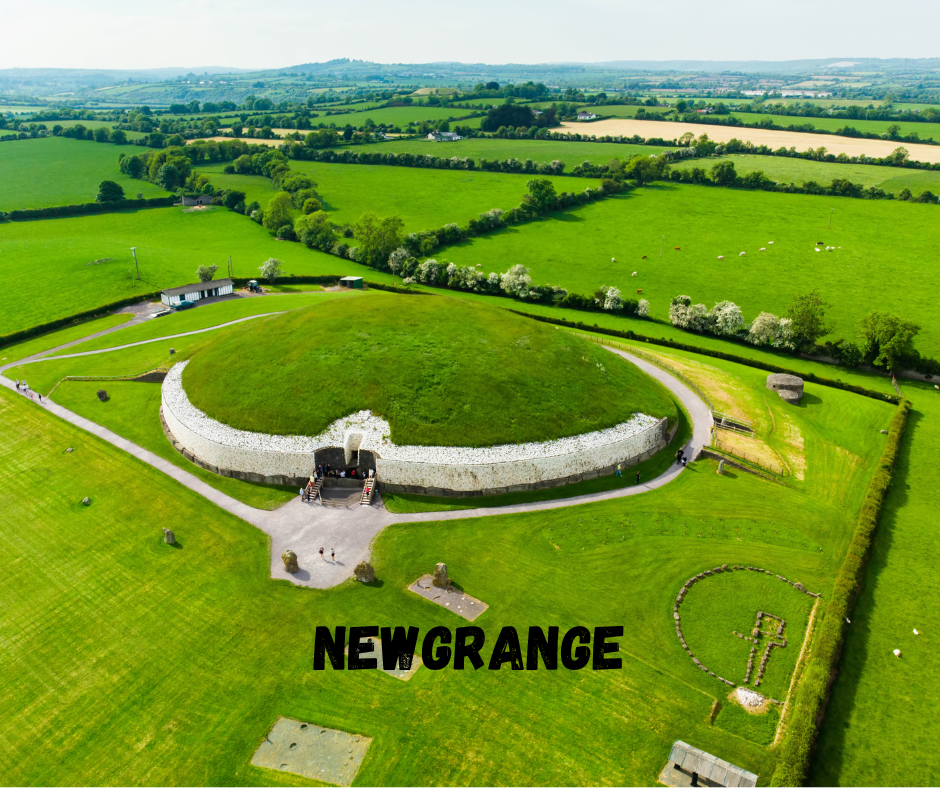
Brú na Bóinne – Archaeological Ensemble of the Bend of the Boyne: It is home to some of the world’s most important prehistoric landscapes, including the famous passage tombs of Newgrange, Knowth, and Dowth. It is rich in ancient art, mythology, and history.
Skellig Michael
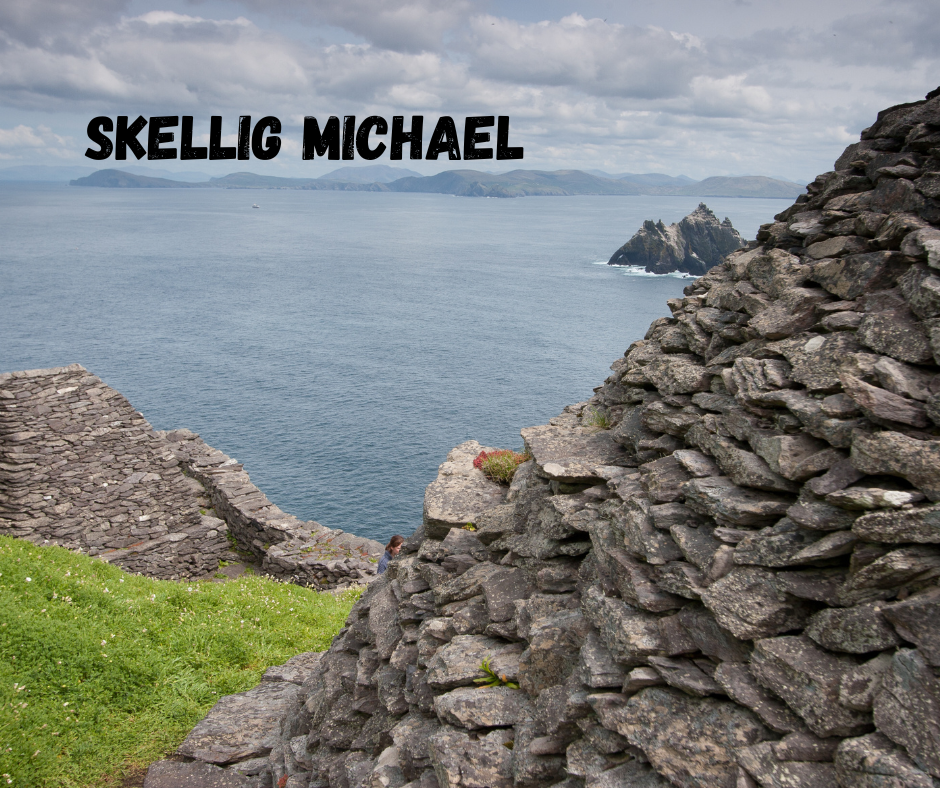
An isolated monastic complex perched on a rocky island off the coast of County Kerry. Offers insights into early Christian monastic life.
Scotland
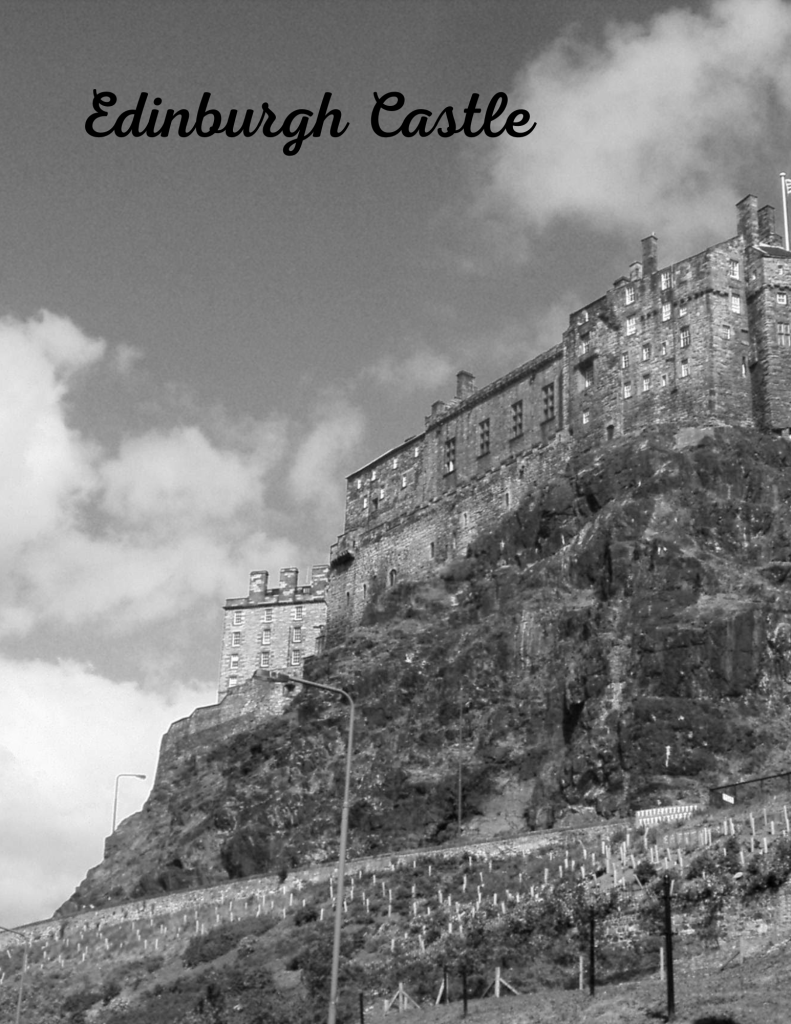
Old and New Towns of Edinburgh: A blend of medieval and modern urban development showcasing Scotland’s architectural evolution. Significant historical sites include Edinburgh Castle and the Royal Mile.
Heart of Neolithic Orkney
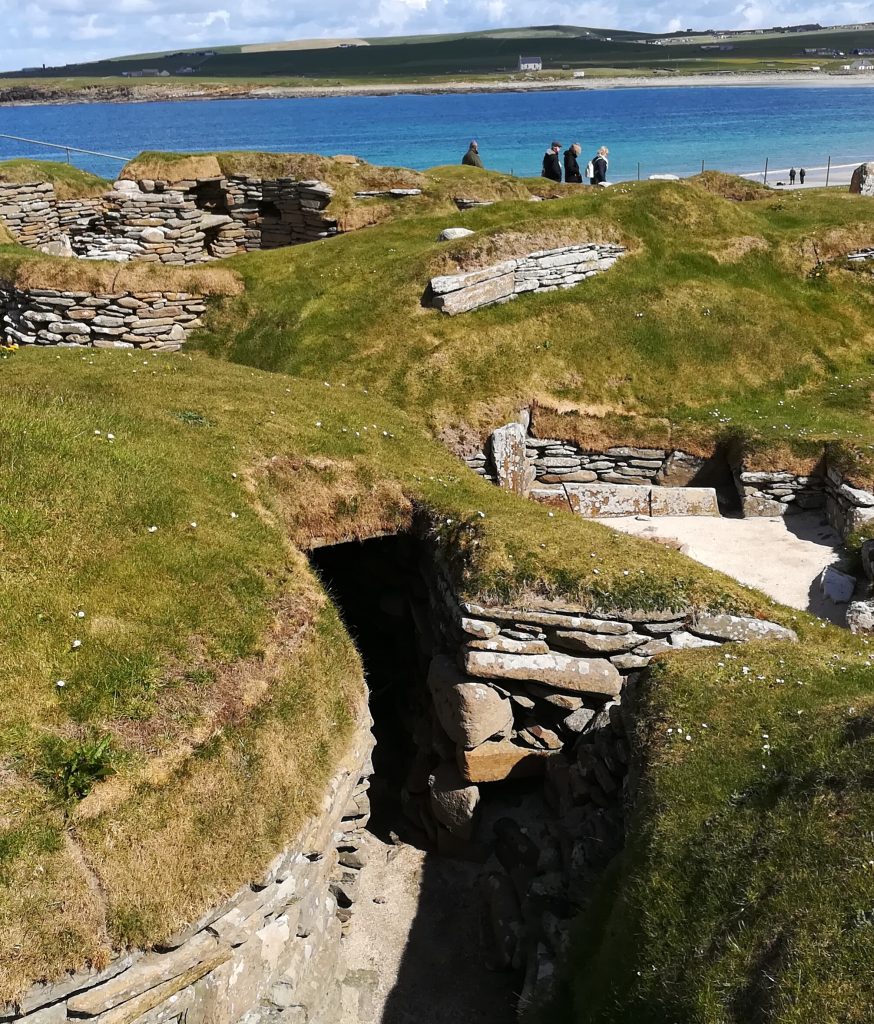
Includes remarkable Neolithic monuments such as Skara Brae, Maeshowe, the Stones of Stenness, and the Ring of Brodgar. This provides a comprehensive look at prehistoric life in Scotland.
Wales
Pontcysyllte Aqueduct and Canal
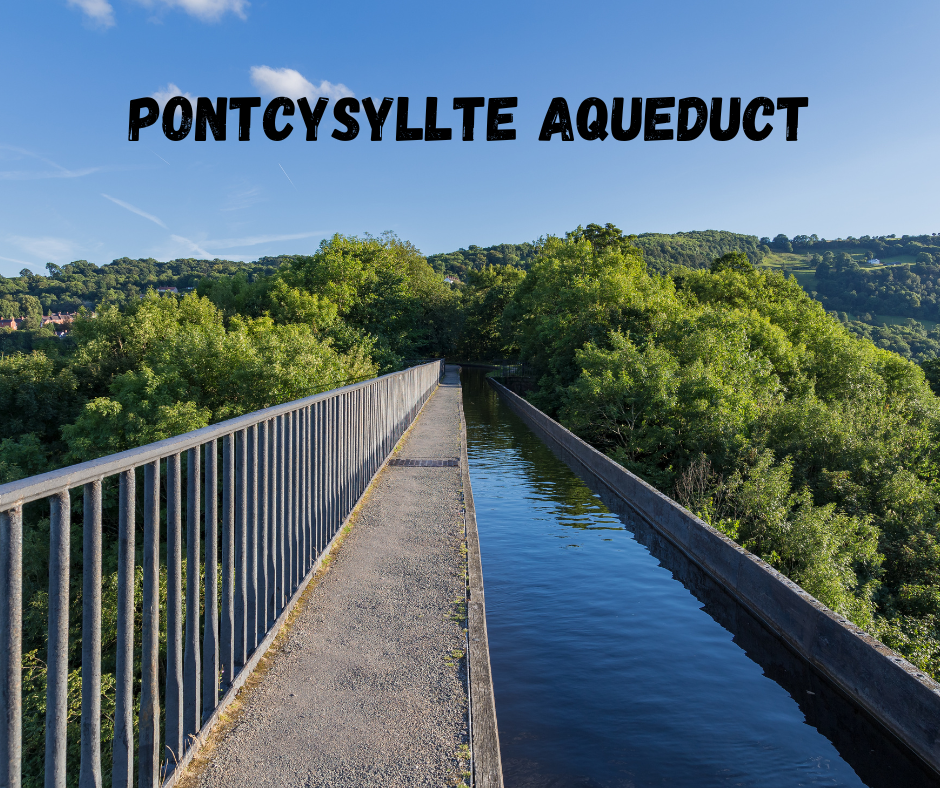
A marvel of engineering from the Industrial Revolution, representing the ingenuity of Welsh engineering. Offers scenic canal walks and insights into industrial heritage.
Castles and Town Walls of King Edward in Gwynedd
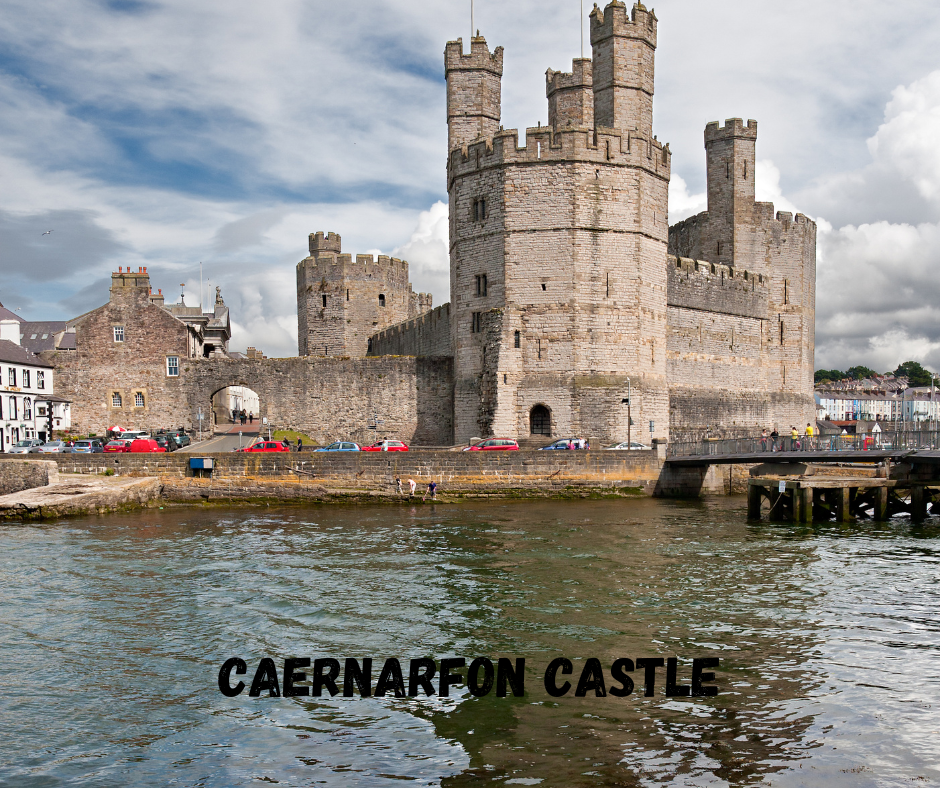
Includes the castles of Beaumaris, Caernarfon, Conwy, and Harlech. Illustrates the medieval military architecture and the history of English conquest in Wales.
Brittany (France)
The Loire Valley between Sully-sur-Loire and Chalonnes
Though not exclusively Celtic, it includes regions with strong Breton cultural influences. It is known for its historic towns and beautiful châteaux.
Mont-Saint-Michel and its Bay
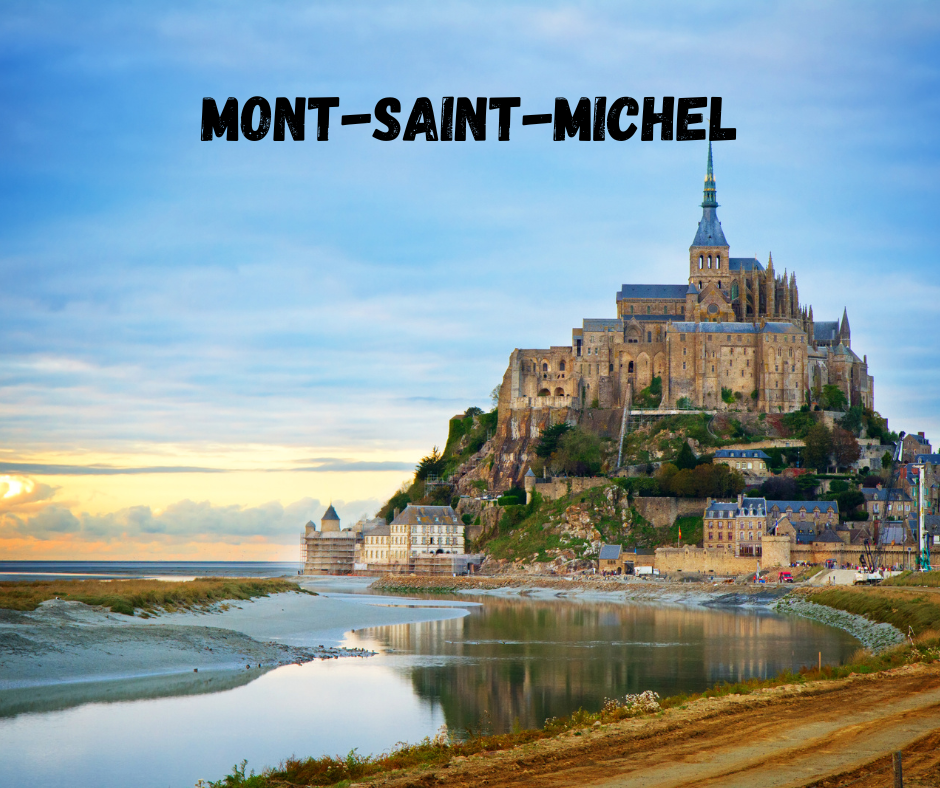
While primarily associated with Normandy, it has significant Breton ties and symbolizes medieval Europe. Offers insights into medieval monastic life and stunning views.
Isle of Man
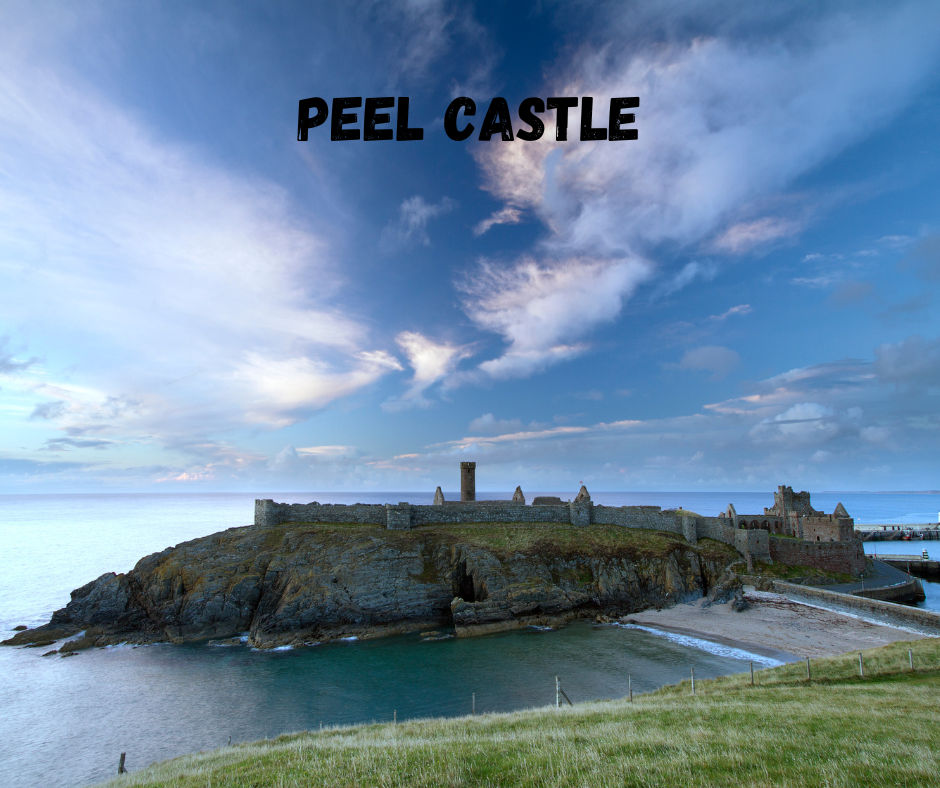
Although the Isle of Man does not currently have any UNESCO World Heritage Sites, it boasts many sites of historical and cultural significance, such as Peel Castle, the ancient fortress, and the Neolithic burial site of Cashtal yn Ard.
Before Visiting UNESCO Sites
When leveraging UNESCO sites in the Celtic Nations for ancestral travel, here are some specific tips to make the most of your journey:
Research Your Ancestral Connections: Before visiting a UNESCO site, research its historical significance related to your ancestors. Look for ties to your family history, whether through notable figures, cultural practices, or historical events.
Plan Visits Around Historical Context: Many UNESCO sites offer guided tours or visitor centers that provide historical context. You can plan your visit to coincide with these opportunities to deepen your understanding of your ancestors’ lives and experiences.
Explore Nearby Genealogical Resources: Some UNESCO sites are located near archives, libraries, or local history societies that can help you research your family tree. Use these resources to uncover more about your ancestors who lived there.
Attend Cultural Events and Festivals: Check for any cultural events or festivals near the UNESCO site during your visit. These events often showcase traditional music, dance, and crafts your ancestors may have practiced.
Capture and Document Your Experience: Take photographs and notes during your visit to UNESCO sites. Document how you felt being in a place connected to your heritage. These memories can enrich your family history records and inspire others in your ancestral journey.
Respect Local Customs and Traditions: When visiting UNESCO sites, respect local customs and traditions. Engage respectfully with local communities to learn more about their history and how it intersects with yours.
Share Your Experience: Share your experiences on social media or in your ancestral travel blog to connect with other meanderers and inspire them to explore their roots.
Final Thoughts
Using UNESCO World Heritage Sites as focal points for ancestral travel in the Celtic Nations provides a rich, immersive experience that is both educational and emotionally fulfilling. These sites offer a direct connection to the past, allowing travelers to walk in the footsteps of their ancestors and gain a deeper appreciation for their heritage.
Incorporating these UNESCO sites can significantly enhance the travel experience, providing a blend of historical accuracy, cultural immersion, and scenic beauty for those planning a journey to reconnect with their roots. Happy meanderings. Slànte Mhath!