
Accommodation Guide to Isle of Man

Welcome to the Accommodation Guide to the Isle of Man. There is a particular kind of held breath that happens when the ferry rounds the headland and Ellan Vannin, the Isle of Man, comes into view for the first time. The sea mist, the green hills rolling down to grey stone harbors, the sense that you have arrived somewhere that has been quietly keeping its own counsel for a thousand years. And then, almost immediately, the very practical question:
Where do I stay?
It is a deceptively simple question on an island this size. At roughly 33 miles long and 13 miles wide, you could drive end-to-end before your tea went cold. But the Isle of Man is one of those rare places where geography is misleading. Each town has its own distinct character, its own mythology, its own reason to choose it as your base.
The fisherman’s cottage in Peel feels nothing like the Victorian seafront hotel in Douglas. A farmhouse in the south sits under a different kind of silence than the bright harbour energy of Ramsey.
This accommodation guide to the Isle of Man will walk you through every kind of accommodation the island offers, from four-star hotels to a tent under the darkest skies you’ve seen in years. It will then help you decide which town to root yourself in.
Whether you’re here for a week of ancestral research, a long weekend of coastal walking, or simply because you felt that inexplicable pull toward this small kingdom in the Irish Sea, there’s a place on Ellan Vannin that was waiting for you.
Know Before You Book: The TT Races Caveat
The Isle of Man TT Races, held every late May and early June, transform the island as its population effectively doubles. Accommodation fills up a year in advance, and prices rise sharply. If you’re traveling during this season, book early. For a quieter experience, consider visiting at another time of year.
The Manx Grand Prix in late August is a smaller echo of the same phenomenon, still worth knowing about, still worth planning around.
The Sweet Spots
The island’s quietest and most affordable period is December through February, offering an uncrowded and atmospheric experience. Spring, however, may be the most beautiful time to visit, with lush green glens and accessible ancient sites. For ancestral research trips, spring and early autumn are ideal, providing pleasant weather and the opportunity to reflect on discoveries.
Quality & Inspection
All accommodation listed through Visit Isle of Man’s official website has passed annual regulation and independent inspection, so if you’re booking through their portal, you’re working with a baseline of quality assurance. Many properties carry Gold or Silver Accolades from independent assessors, worth looking for if standards matter to you.
Getting Around Without a Car
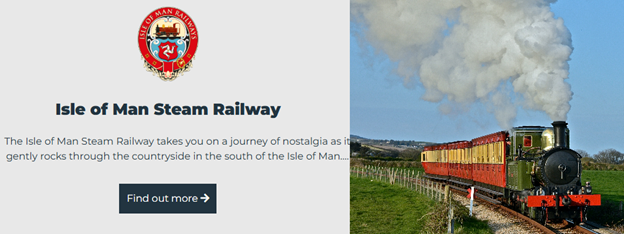
The Isle of Man offers a remarkable public transport network, making a car unnecessary for exploration. Bus Vannin connects major towns and villages, while the Manx Electric Railway runs from Douglas to Ramsey, and the Steam Railway travels south to Port Erin. The Snaefell Mountain Railway ascends to the island’s only peak. This accessibility allows you to choose quiet accommodation and still explore the entire island without driving.
Accommodation by Type
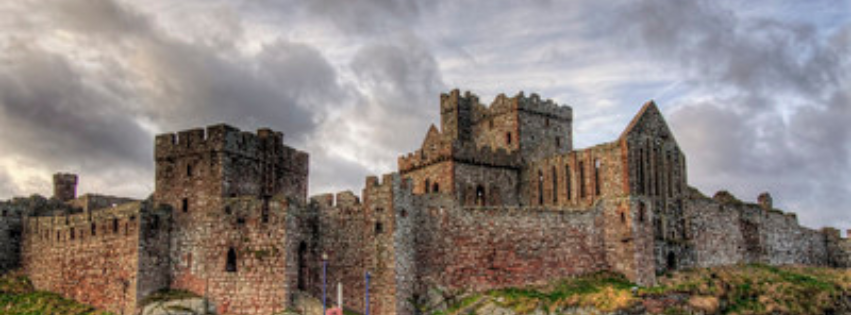
The island offers more variety than its size might suggest. Here is a map of your options, from the grandest to the most elemental.
Hotels
The Isle of Man’s hotels largely reflect their Victorian heritage, especially the grand seafront establishments along Douglas Promenade, featuring wide windows and elegant staircases. Beyond Douglas, you’ll find a mix of modern hotels and traditional guesthouses that have evolved. Some offer noteworthy restaurants, and opting for bed and breakfast is recommended for longer stays to savor the famous Manx breakfasts.
Most hotels boast abundant charm and character, often dating back to the Victorian and Edwardian eras, but be sure to check on accessibility options.
Bed & Breakfasts
On the Isle of Man, bed and breakfasts offer a unique arrival experience compared to hotels. Hosts often greet you with a welcoming cup of tea and can share local insights, especially valuable for ancestral travelers interested in the island’s heritage.
B&Bs are found throughout the island, from coastal roads to village settings, each with its own charm. They range from traditional styles with floral wallpaper and set breakfast times to modern options with en-suite rooms and flexible check-in. Each provides a distinct island experience.
Self-Catering Cottages & Apartments
The Isle of Man offers beautiful self-catering accommodations, including hilltop farmhouses, charming fisherman’s cottages, and harbour-front apartments. For extended stays, self-catering is the most practical choice, allowing you to shop at local markets and create a cozy domestic routine.
Properties, especially unique ones, often book out quickly, so it’s wise to reserve early. Agencies like Island Escapes and the Visit Isle of Man portal provide a variety of inspected self-catering options.
Serviced Apartments
Serviced apartments offer a blend of hotel amenities and self-catering options, providing a kitchen and a home-like feel along with conveniences like maid service and a concierge. Located on the Douglas seafront, these award-winning options are ideal for longer stays or visits with older family members, featuring stunning sea views, particularly from promenade-facing units overlooking Douglas Bay.
Staying at a Pub
Staying in a traditional pub on the Isle of Man offers a genuine experience, immersing you in the local community. You’ll enjoy warm evenings, excellent Manx ale from Okell’s brewery, and often better rates than hotels. Each pub has a unique vibe: a harbour-front spot in Peel feels different from the countryside pub near Tynwald Hill or a Douglas quayside bar. For an authentic taste of island life, dine at a pub, stay overnight, and wake up before the ferry crowd.
Glamping
The Isle of Man has a unique advantage for glamping: its dark skies. Many areas on the island are officially designated dark sky spots, offering memorable night skies. Eco-friendly glamping sites like bell tents, pods, and yurts are strategically located to enhance this experience, providing proper outdoor stays with real comforts in scenic glens and coastal areas. If you haven’t yet fallen asleep to the sound of the Irish Sea and woken up under a starry dawn, the Isle of Man is the perfect place to do so.
Camping & Caravanning
Campsites are located throughout the island, chosen for their coastal views, access to walking trails, and secluded glens and beaches. There are also sites for caravanners and motorhomes for those wanting to explore. If you visit in late May or early June, be aware that TT-specific camping and glamping villages appear during race fortnight, featuring bars and facilities, mainly catering to the motorsport crowd but worth checking out for their impressive setup.
Quirky & Unusual Accommodation
The Isle of Man offers a ‘quirky and unusual’ stays category on its tourism portal, showcasing its rich history with Celtic, Norse, and Victorian influences. You can find unique accommodation like converted lighthouse keepers’ cottages or properties with standing stones in the garden. These places book quickly, so if you find one that interests you, it’s best to act fast.
Budget Options & Community Stays
The island lacks a strong hostel culture, but budget options are available, especially if you’re flexible. Camping is affordable, particularly outside peak season, and some B&Bs offer reasonable rates for solo travelers. Quieter towns like Castletown and Port St Mary generally have lower prices than Douglas.
For community-based experiences, platforms like Couchsurfing and Workaway have a few Manx hosts, though it’s smaller than in major tourist spots. Additionally, local Facebook groups can reveal accommodations not listed on major booking sites.
A helpful tip: the island’s excellent and inexpensive public transport makes it possible to find more affordable accommodations slightly outside the main centers while still having easy access to transport.
Accommodation by Town
The Isle of Man is small enough that any of these towns could serve as your base for the whole island. But each one will give you a different experience of what the island is. Here’s what you need to know.
Douglas — The Beating Heart
Douglas is the capital and the hub, and it makes no apologies for being both. The crescent of Douglas Bay, fringed by the Victorian promenade with its horse trams still running in summer, is genuinely one of the more beautiful capital seafronts you’ll encounter anywhere. In 2024, Douglas was officially granted city status, which it wears lightly. It still feels like a harbour town that took its responsibilities seriously rather than a city that forgot its origins.
Most of the island’s hotel stock is concentrated here, particularly along the promenade, and you’ll find everything from grand Victorian establishments to boutique contemporary stays. The airport is accessible; the ferry terminal is right in the heart of things; buses and trams to the rest of the island leave from Douglas. It’s the logical first choice for first-time visitors and those who want maximum convenience.
For ancestral researchers: the Manx Museum and its Library and Archives are in Douglas, and that alone makes it worth at least a night or two here, regardless of where else you stay.
Peel — The Sunset City
Peel sits on the west coast and is known, not entirely without reason, as the Sunset City. The light over Peel Bay in the evening, particularly with the silhouette of Peel Castle rising from its tidal island, is the kind of thing that makes people understand why the Manx have always had a complicated relationship with the boundary between this world and whatever lies beyond it.
The House of Manannan Museum here is one of the finest Celtic heritage experiences in the British Isles and would justify a visit even without everything else Peel offers. The town itself is small, characterful, and focused on its fishing harbour. This is where Manx kippers come from, and if you don’t know what a real kipper tastes like, Peel will teach you.
Accommodation in Peel leans toward B&Bs, self-catering, and pub stays rather than large hotels. That’s not a limitation; it’s the point. You feel the town here in a way that Douglas, for all its virtues, doesn’t quite deliver. This is where to stay if atmosphere matters more to you than amenity count.
Ramsey — The Sunny North
Ramsey is the island’s second-largest town, which in Manx terms means it’s a comfortable, unhurried harbour settlement with enough going on to sustain a good few days of exploration without feeling like a ghost town. It sits in the island’s rain shadow, which gives it a genuine claim to being the sunniest spot on Ellan Vannin. It’s a distinction that sounds modest until you’ve spent a week on the West Coast being very grateful for it.
The Ramsey Park Hotel is the main formal option here, but the town also has a good selection of B&Bs and self-catering. Mooragh Park sits at the edge of the bay and has the kind of gentle civic pride that makes you realize how much care has gone into making this an actual livable place, not just a tourist destination.
Ramsey is the terminus of the Manx Electric Railway, which makes it easy to reach from Douglas without a car and equally easy to use as a base for exploring the eastern coast. The north of the island, with its wildlife reserves, Celtic crosses, and quieter rhythms, is best accessed from here.
Castletown — The Ancient Capital
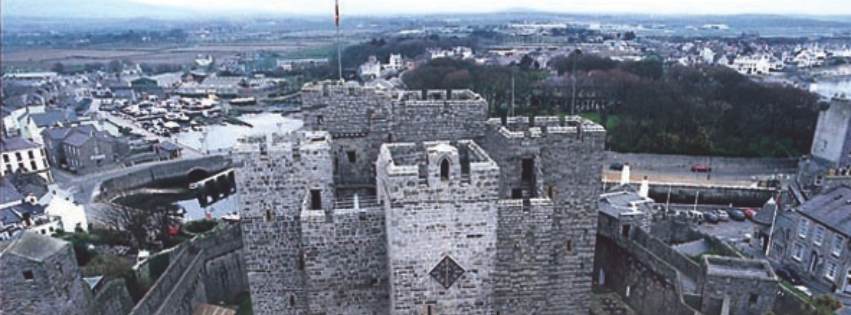
Castletown was the island’s capital for most of its recorded history, and it has never entirely let go of that identity. Castle Rushen, the medieval fortress that towers over the market square, is one of the best-preserved medieval castles in Europe. It may not be the most famous or the most visited, but it is one of the most genuinely intact places, making standing in its courtyard feel like something more than just tourism.
The town is small and largely built in local grey limestone, which gives it a color and texture that feels genuinely ancient. Its narrow streets, its harbour, and its 18th and 19th-century buildings have a quality of preservation that isn’t artificial. More than 70 fairy doors are scattered through the town as a visitor trail, which sounds whimsical and somehow actually fits.
Accommodation here is limited compared to Douglas or Peel, which means it’s quieter and more affordable. For anyone whose research leads to the south of the island, the old records of the Rushen Sheading, the ancient site at Cregneash, and the Calf of Man, Castletown is the logical and most atmospheric base.
Port Erin — The Sheltered Bay
Port Erin is where Manx people have been taking their holidays since the Victorian era, and the town still has that quality of a place that knows how to make visitors feel welcome without fussing over them. The bay is genuinely beautiful, sheltered, sandy, with the Bradda Head cliffs rising to the north and the light doing something unusual in the late afternoon. It’s the kind of bay that appears in the background of photographs and makes people ask where it was taken.
The town has a good range of accommodation for its size: hotels, B&Bs, self-catering, and some excellent coastal walks that mean you can arrive without a plan and fill a week without trying. The Steam Railway connects Port Erin to Douglas, which removes the need for a car entirely if you’re happy to explore on foot and by rail.
For families, Port Erin is probably the best base on the island. For solo researchers following a southern Manx line, it offers easy access to the heritage village of Cregneash and the wild headlands that have been there as long as anyone has been recording time on this island.
Port St Mary — The Quiet Harbour
Port St Mary and Port Erin are often mentioned together, but have different characters. Erin is a small town, while St Mary is quieter and more focused on its harbor and sea activities. Chapel Beach is great for swimming, and the harbor hosts fishing boats and yachts.
Accommodation mainly includes self-catering and B&Bs, making it a charming, less commercialized destination. It’s ideal for those seeking a quiet base with coastal walks and easy access to Castletown or Port Erin. The stunning cliffs south of the village offer dramatic scenery for those interested in landscape and heritage.
Laxey — The Valley Village
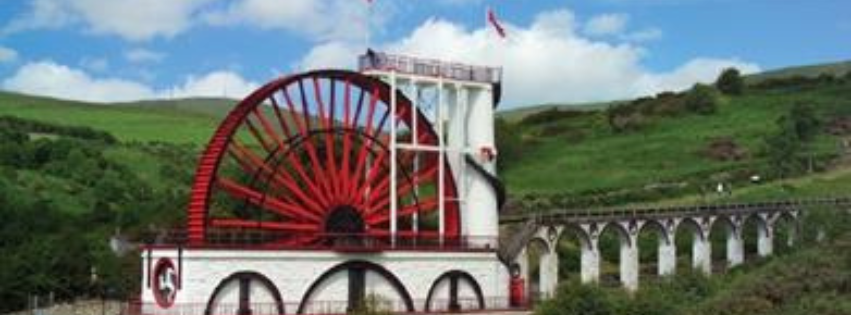
Laxey is nestled in a steep valley where the river meets the sea. It is centered around the Great Laxey Wheel, the world’s largest working waterwheel, built in 1854 to drain local mines. The village features a small harbor, a pebbly beach, and good cafés and restaurants. Here you will also find the Manx Electric Railway station, which connects to the Snaefell Mountain Railway for stunning views on clear days.
Accommodation is mostly self-catering and B&B, making a cottage in the village an ideal choice, with the soothing sounds of the river and nearby glens. King Orry’s Grave, a significant megalithic monument, is within walking distance, and the glens inland are some of the island’s most picturesque spots.
The Manx Countryside — For Those Who Want the Land Itself
The Isle of Man offers a variety of rural self-catering options, including farmhouses with views of the Calf of Man, converted buildings in ancient midland parishes, and cottages in the north, where only the wind and sea can be heard at night. For those researching ancestry in farming and fishing communities, staying in the countryside provides valuable insights into daily life. The island’s small size means towns are never far away, but the countryside offers a peaceful retreat. Rural properties, often featuring unique characteristics like standing stones and resident ducks, tend to book quickly, so it’s best to plan when seeking a countryside getaway.
Finding Your Place on Ellan Vannin
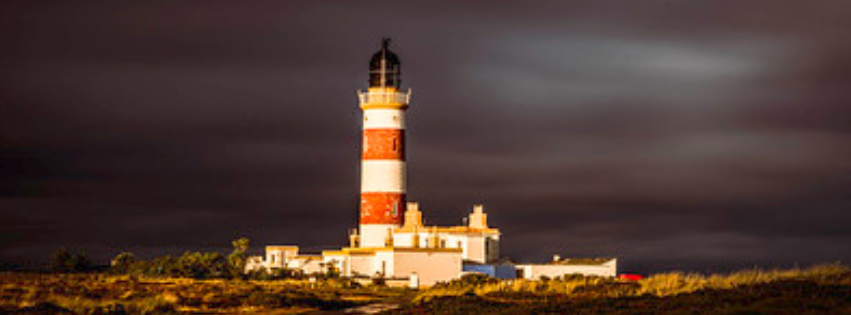
Douglas will make you efficient. Peel will make you reflective. Castletown will make you feel the weight of centuries. A farmhouse in the midland parishes will make you understand, in your body rather than your mind, why the people who came from here carried the island with them wherever they went.
Choose the accommodation that matches not just your practical needs, but your why for making this journey.
A meanderer’s note: all accommodation mentioned here is general guidance rather than a specific recommendation. Properties change, ownership changes, and the best B&B on the island next spring may be one that opened last autumn. Use Visit Isle of Man (visitisleofman.com) and Island Escapes (islandescapes.im) as your starting points for current listings, and trust your instincts about what kind of place will give you the stay you actually need.
In search of old footprints, Sláinte