
Samhain Across the Celtic Nations: Traditions from Ireland, Scotland, the Isle of Man, Wales and Cornwall
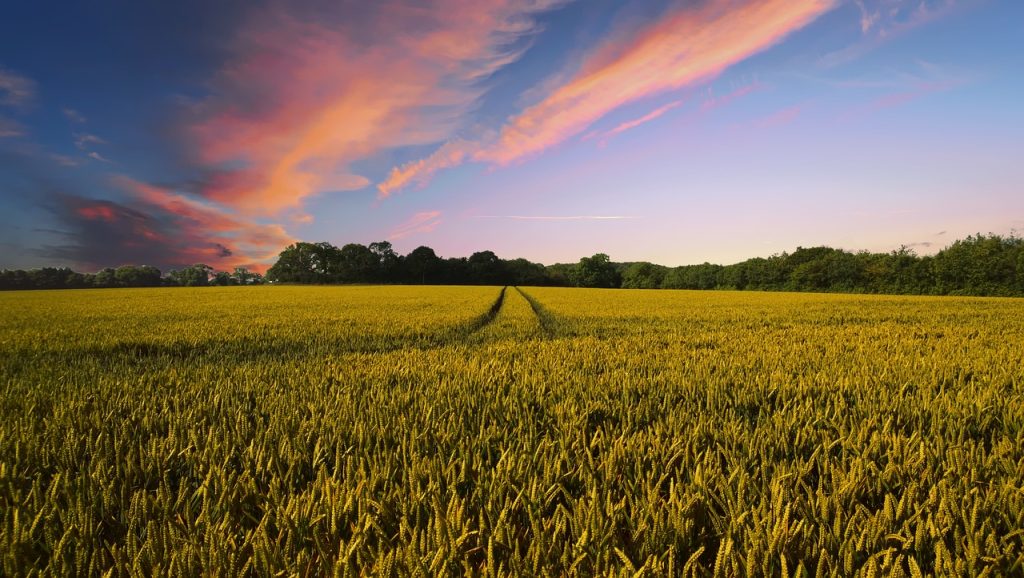
Pour yourself a cuppa, Meanderers, because we’re going on a tour of autumn in the Celtic Nations.
Long before pumpkins and plastic skeletons, people across the Celtic nations marked the turn from summer to winter, usually around October 31 and November 1. Samhain is the Irish name, and it’s traditionally understood as summer’s end. Every nation kept the season a little differently, and a surprising number of those customs are still celebrated today.
However, much of what we know about early Samhain comes from medieval Irish texts, and many of the customs below were recorded in the 18th and 19th centuries. So I’ll tell you what people did rather than what ancient Celts supposedly believed. It’s a more honest way to walk through the season, and it makes for better stories.
Ireland: Fires, Feasts and the Púca
Ireland is the heartland of Samhain. Medieval sources describe it as a time of great assemblies, and later tradition ties a major Samhain fire to Tlachtga, the Hill of Ward, near Athboy in County Meath. Household hearths were said to die out and were relit from that shared flame.
Folk customs filled the weeks around it:
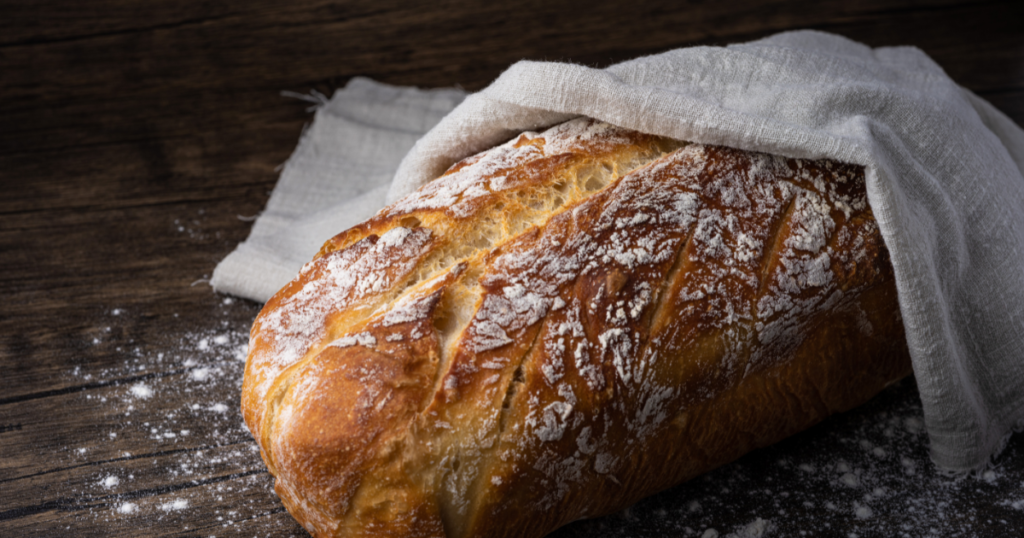
Barmbrack, a fruit loaf with trinkets baked in. Finding the ring meant marriage, or at least a good year ahead.
Colcannon, mashed potato with kale or cabbage, often with a ring hidden inside.
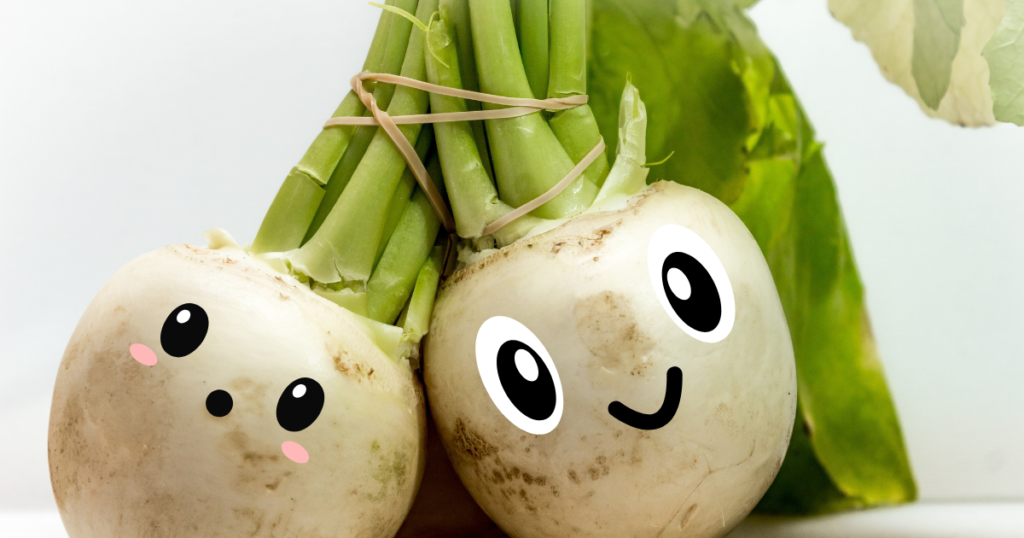
Children would carve turnip lanterns, which Irish emigrants later swapped for pumpkins in America.
The Púca, a shape-shifting trickster of folklore. Many Irish families say you shouldn’t pick blackberries after Samhain, because the Púca has spoiled them.
The Hill of Ward is still there to walk. Meath hosts the Púca Festival each autumn, and Derry is famous for its Halloween celebrations. Check current dates before you plan a trip.
Scotland: Guising, Kale and Bonfires
Scotland’s Hallowe’en is full of play. Children went guising, dressing up and performing a song, joke or poem for treats, which is the ancestor of modern trick-or-treating. Young people pulled kale stalks blindfolded and read the shape of the stalk to predict a future spouse. Bonfires lit the Highlands, and apples and nuts were used for fortune-telling games.
Robert Burns captured many of these customs in his 1785 poem Halloween, which is a good read for anyone who wants the folk traditions straight from the period.
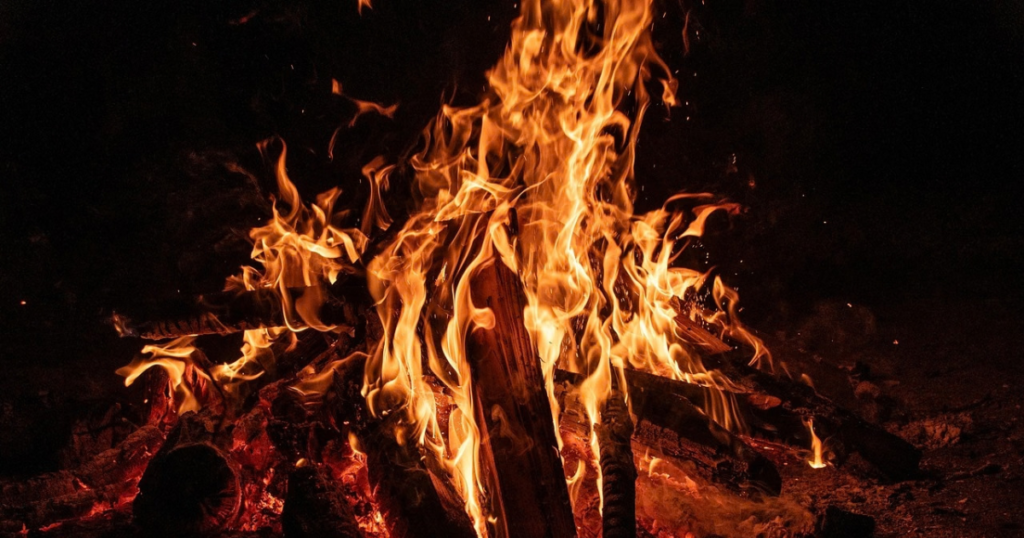
Edinburgh’s Samhuinn Fire Festival, run by the Beltane Fire Society, is a modern performance inspired by Samhain traditions rather than an ancient continuation. It’s still worth seeing, and it’ll be clear about the difference when you plan a visit.
Isle of Man: Hop-tu-Naa
On the Isle of Man, October 31 is Hop-tu-Naa, and it may be the most distinctive Halloween on this list. It’s traditionally linked to the old Manx New Year, and children carried carved turnip lanterns from house to house singing the Hop-tu-Naa song. The name is often explained as coming from a Manx phrase meaning “this is the night.”
Manx homes also kept older customs about the dead, including setting out food and leaving the door unlatched for returning loved ones.
Hop-tu-Naa is still very much celebrated on the Isle of Man, with turnip carving, songs and community events. If you’re planning an ancestral trip, late October is a wonderful time to go.
Wales: Calan Gaeaf
In Wales, the season is Calan Gaeaf, the first day of winter, and the night before is Nos Calan Gaeaf. It was known as a spirit night, with a reputation for being among the spookiest of the year.
Villagers built bonfires, and each person placed a marked stone in the ashes. If a stone had moved by morning, it was taken as a bad omen. As the fire died down, everyone ran for home, shouting a rhyme about the tailless black sow (Yr Hwch Ddu Gwta) taking the one who came last. The night was also said to be haunted by a headless woman and other apparitions.
Calan Gaeaf is observed in Wales through folklore events and storytelling, and the legends are great fun to read before a visit to the Welsh countryside.
Cornwall: Allantide
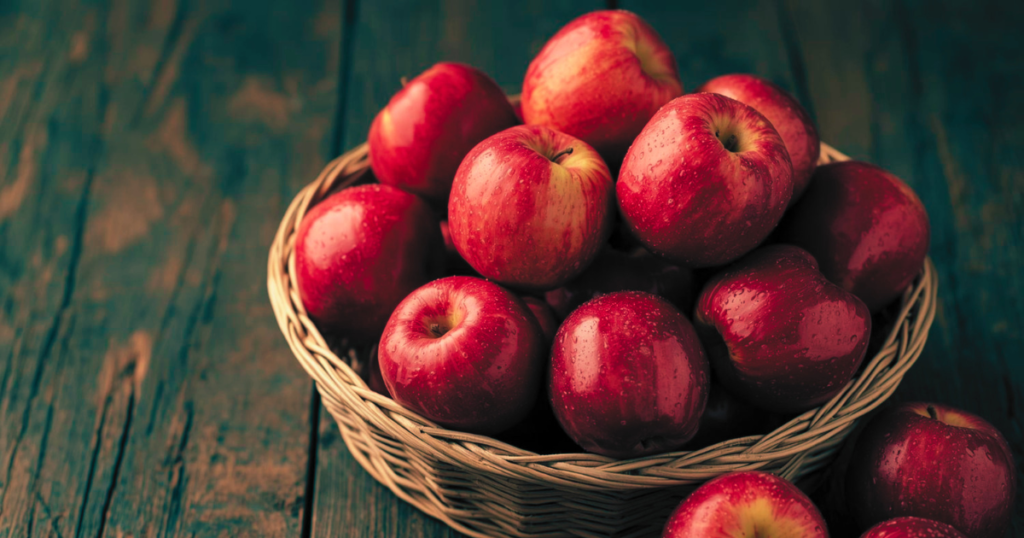
Cornwall’s version is Allantide, part of the wider Hallowtide season at the end of October. The signature custom was the Allantide apple, a large polished apple given to young people for luck. Girls placed theirs under their pillow in hopes of dreaming of a future husband. Divination, games, and remembering the dead were all part of the evening.
Allantide is quieter than Hop-tu-Naa, but the Cornish revival of local traditions means it still appears in folklore societies and local events. It’s one of the most underappreciated stops on the Celtic calendar.
What These Traditions Have in Common
Across all five nations, the thread is the same: gather in what you have, light a fire, play a few games, and make room for the people who came before. Whether it was a turnip lantern on the Isle of Man or an Allan apple in Cornwall, there was always a place for the dead alongside the living.
That’s what makes Samhain such a meaningful season for ancestral seekers. You don’t need to share anyone’s beliefs to take part in the remembering. Say a name aloud, light a candle, set out an extra place at the table, or visit the churchyard where your people rest.
Taking stock of where you are is a great way to help prepare for the coming year. What do you need to let go of, and who are you remembering this Samhain? Leave a comment below.
In search of old footprints, Sláinte!